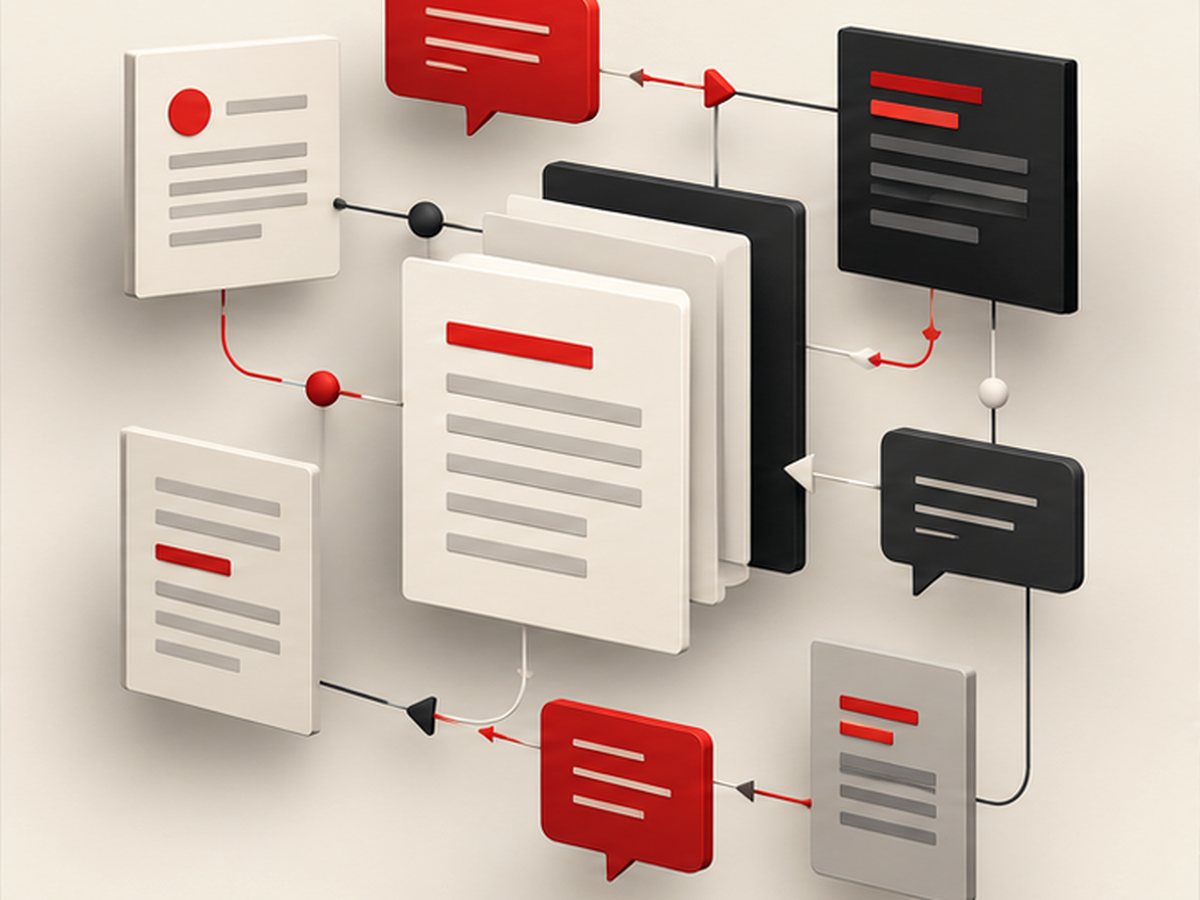

Remote interpreting failures are rarely caused by an interpreter's language ability. They are caused by audio, turn-taking, unclear handovers, and small technical problems that no one rehearsed.
A short rehearsal before the meeting starts is often more valuable than another platform test. It turns a set of tools into a working communication setup.
Test more than the link
A connection test confirms that people can join. It does not confirm that they can hear clearly. Check microphones, headsets, room acoustics, bandwidth, and the audio path for each language channel.
Ask each speaker to speak from the position they will actually use. A microphone that works at a desk may behave differently when the speaker stands, turns away, or shares a room with other participants.
Rehearse the handover
Remote sessions depend on clean transitions. Who speaks next? How does the chair signal a change? How does an interpreter indicate that they need a repeat or a pause? A simple set of signals prevents confusion.
For simultaneous work, agree on how turns between interpreters will be managed. For consecutive work, agree on how long segments should be and how questions will be queued.
Protect the channel
Ask speakers to mute when they are not speaking, avoid side conversations near live microphones, and use the agreed language for each channel. Small habits make a large difference to clarity.
If captions, recordings, or transcripts are part of the meeting, confirm who manages them and how they interact with interpretation. Redundant channels are useful only when they do not compete.
Prepare for the unplanned
Have a backup: a dial-in number, a second platform, a direct phone line, or a shared contact list. The goal is not to expect failure. It is to make failure manageable.
- Test audio from the real speaking positions
- Agree on turn-taking and handover signals
- Confirm language channels and speaker discipline
- Prepare a backup connection and contact list
- Rehearse the Q&A process, not only the presentation
The best remote setup is not the most complicated one. It is the one everyone has practised.
Moyris Editorial Team
A rehearsal takes time, but it is usually the cheapest part of the project. It is also the part that protects the meeting when something does not go to plan.