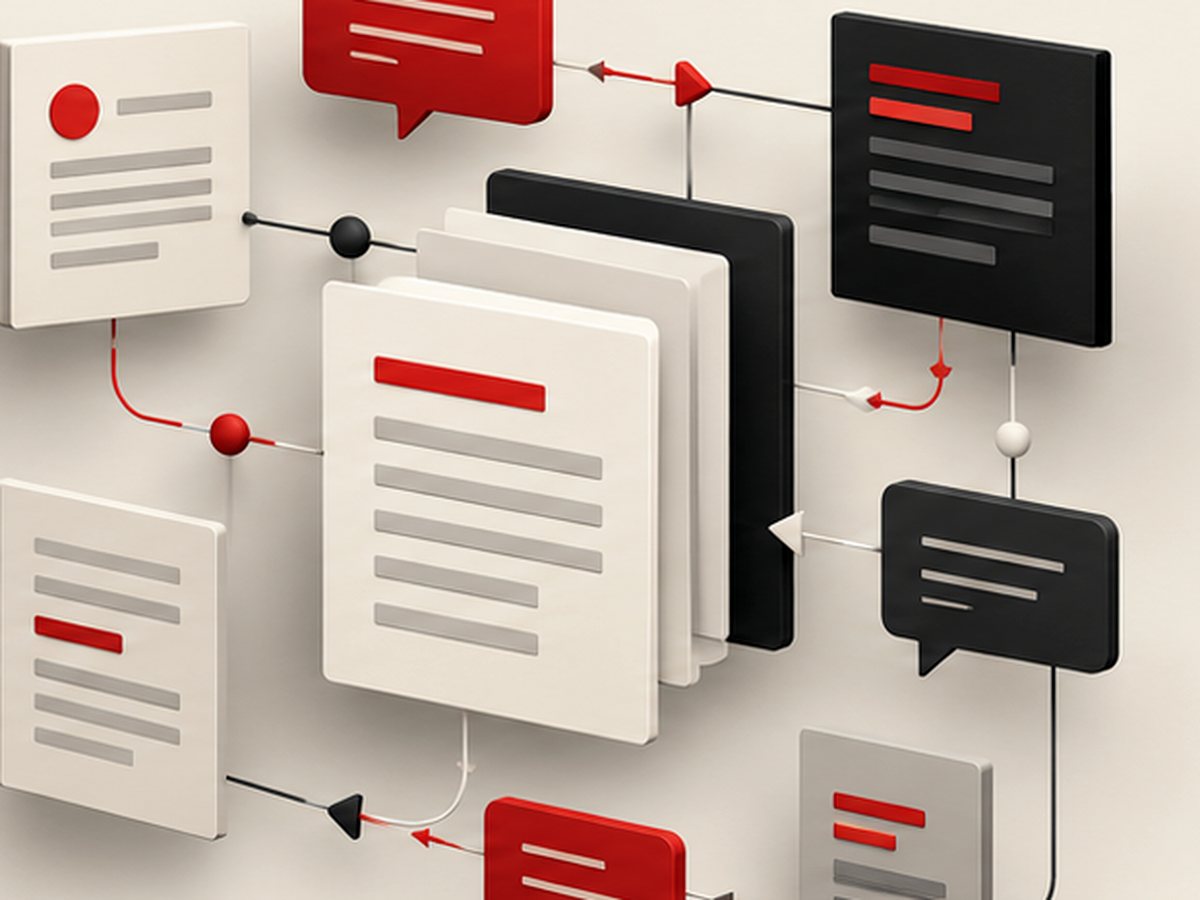
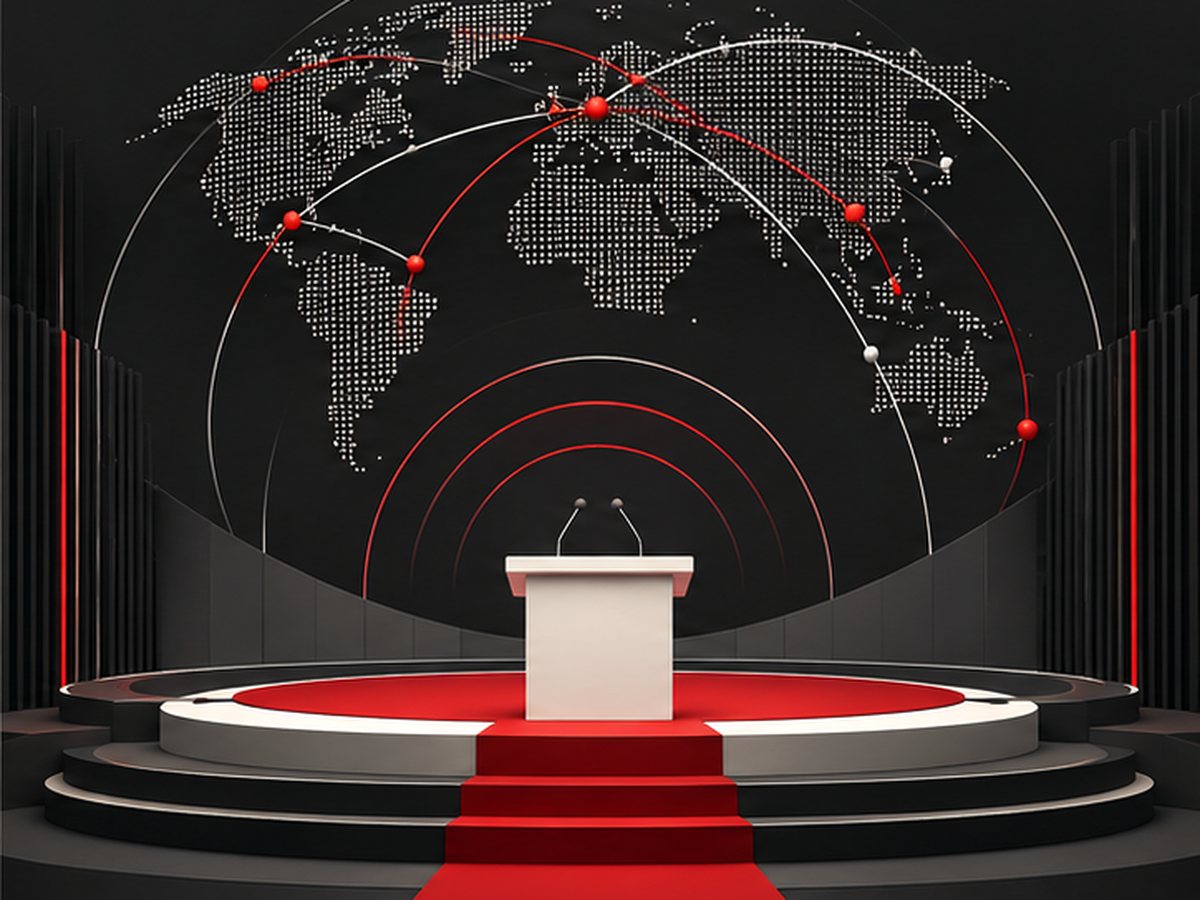
The visible part of a multilingual event is the stage: the speakers, the slides, the interpretation. The reliable part is everything that makes those elements work together: the run-of-show, the terminology, the audio checks, the backups, and the people coordinating them.
When the quiet work is done well, it disappears. When it is skipped, it becomes very visible.
A run-of-show is a communication tool
A good run-of-show does more than list times. It shows who speaks, in what order, for how long, and what happens between segments. It gives interpreters, technicians, and organizers a shared picture of the event.
Build in transitions. A change of speaker, a video, an award presentation, or an unscheduled Q&A all affect the interpretation. The more clearly these moments are planned, the easier they are to manage.
Brief the people who will speak
Speakers can help interpretation more than almost anyone else. A moderate pace, pauses at the end of ideas, and a microphone used consistently make a measurable difference. Share these expectations in advance, not in the moment.
If speakers will read from a script, provide it early. If they plan to improvise, explain the structure they will follow. If they will take questions, agree on how questions will be collected and translated.
Plan for the room and the feed
Audio, sightlines, and booth placement matter. So does the hybrid audience. Confirm that remote participants can hear both the floor and the interpretation, and that the interpretation channels are clearly labelled.
Have a backup for the parts that would stop the event: a spare microphone, a second audio path, a phone bridge, and a clear escalation contact. The goal is not to expect failure, but to make it manageable.
Close the loop
After the event, debrief with the interpretation team, the technicians, and the organizers. What worked? What caused friction? Which terms should be added to the glossary? A short review improves the next event more than a long retrospective.
- Share the run-of-show and speaker notes early
- Agree on pace, pauses, and microphone use
- Confirm audio, sightlines, and channel labels
- Prepare backups and an escalation contact
- Rehearse transitions and Q&A
- Debrief and update the glossary
The best coordination is the kind the audience never notices.
Moyris Editorial Team
Multilingual events are judged by what happens on stage. They are made reliable by what happens before, between, and after the sessions. That quiet work is the difference between a programme that runs and a programme that holds together.